Key Takeaways:
- Whether agentic media buying works depends on your data infrastructure, not the AI itself. Brands with clean first-party data get real results, others just get faster mistakes.
- Real configuration means auditing data before touching the AI, setting clear decision boundaries by campaign type, and stress-testing on contained budgets before scaling spend.
- Many agencies are selling “AI” that’s just automated bidding inside a platform you already pay for, skipping the months of data work required to make it actually useful.
- CPG and DTC brands need fundamentally different configurations — CPG must connect digital spend to in-store behavior, while DTC needs tighter frequency caps and more human checkpoints due to shorter data histories.
- The system executes decisions, but people remain accountable for outcomes — automation doesn’t shift responsibility away from the agency.
—
The honest answer to “is agentic media buying ready for your brand?” depends entirely on your data infrastructure, not on the AI.
That answer is inconvenient for agencies selling automation as a product. It’s convenient for brands trying to figure out if they’re being sold something real or something shiny.
Agentic media buying, where AI systems execute campaign decisions with minimal human intervention, is real technology with real upside. But the upside is not evenly distributed. Brands with clean, connected first-party data get dramatically different results than brands still stitching together third-party signals and hoping for the best.
Data Maturity Determines What AI Can Do
Data maturity is the part most agencies skip over in their AI pitches.
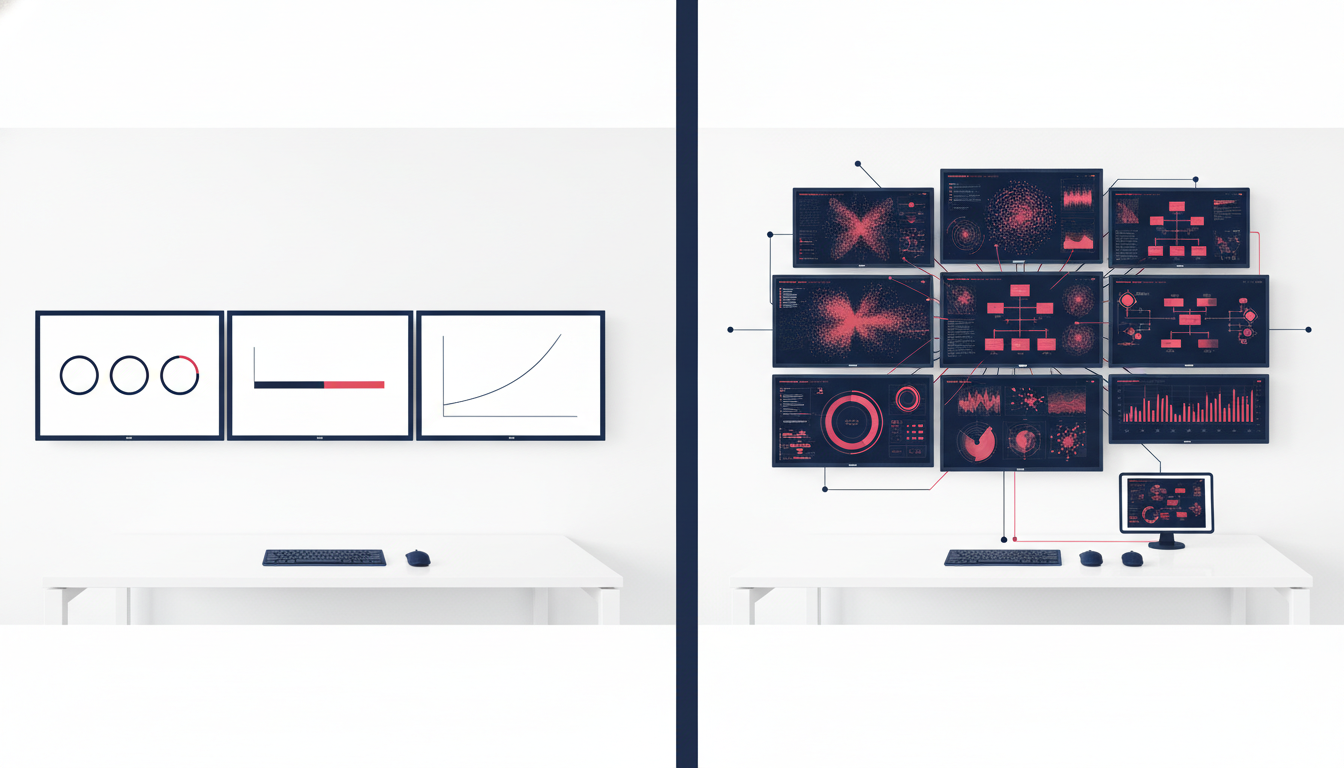
An agentic system is only as smart as the inputs it works with. Feed it fragmented data, siloed signals, and outdated audience segments, and it will optimize toward the wrong outcomes. The model does not know your data is broken. It just acts on what it has.
We see this constantly with CPG brands. A brand like Organic Valley, which has years of retail data, loyalty signals, and a clear understanding of who buys and why, can configure an agentic system to make real-time decisions with meaningful guardrails. A newer DTC brand still figuring out its conversion attribution is in a completely different position. Same technology, completely different configuration requirements, completely different risk profile.
That gap does not get smaller when you automate. It gets amplified.
What “Client-Specific Configuration” Means in Practice
Client-specific configuration isn’t a settings menu. It isn’t checking a few boxes in your DSP. Real configuration work looks like this:
- Auditing data infrastructure before touching the AI layer. What signals does the brand actually own? What is being passed cleanly to the buying platform? Where are the gaps?
- Defining decision boundaries by campaign type. Prospecting campaigns carry different risk tolerances than retargeting. Agentic systems need explicit rules about when to act and when to escalate to a human.
- Building brand-specific performance thresholds. A CPG brand measuring success by in-store lift needs different optimization signals than a DTC brand chasing ROAS on Meta.
- Stress-testing before scaling. Run agentic systems on contained budgets first. Understand how the model behaves before it has authority over significant spend.
- Keeping humans accountable for outcomes. The system executes. People own the results. That distinction matters.
We wrote more about where that human accountability line sits in our piece on agentic media buying and accountability when AI gets it wrong. The short version: the agency is still responsible. Always.
The Agencies Getting This Wrong Are Selling AI, Not Outcomes
There is a version of the agentic media buying conversation happening right now that is mostly about agencies protecting margin and justifying retainers with technology theater.
The pitch goes: we have AI, it buys media faster and cheaper, you should trust it. What gets left out is the six months of data work required before that system can do anything useful. What gets left out is that the “AI” is often just automated bidding inside a platform you were already paying for. What gets left out is who is responsible when the system burns budget on the wrong audience at 2am.
We are not anti-automation. We have written directly about where AI stops and humans start in media buying, and our position is consistent: machines are faster, humans are smarter about context. You need both, configured correctly for the specific brand.
The CPG and DTC Split Is Real and Worth Naming
CPG and DTC brands have structurally different relationships with data, and agentic systems need to reflect that.
CPG brands often have strong retail media data, robust shopper insights, and longer purchase cycles. Agentic systems for these brands should be configured to optimize toward category-level signals, not just click-through rates. The measurement challenge is connecting digital spend to in-store behavior, and AI alone does not solve that.
DTC brands tend to have richer digital attribution but shorter data histories and higher volatility. Agentic systems can move fast for these brands, but fast in the wrong direction is worse than slow in the right one. Configuration has to include tighter frequency caps, clearer exclusion logic, and more human review checkpoints.
Neither category benefits from a template. Both benefit from someone who has actually done this work before.
—
FAQ on Agentic Media Buying
What is agentic media buying?
Agentic media buying refers to AI systems that can make and execute media buying decisions, such as bid adjustments, budget shifts, and audience targeting changes, with minimal human intervention in real time.
Is agentic media buying right for CPG brands?
It depends on data maturity. CPG brands with clean retail data, strong first-party signals, and clear measurement frameworks can benefit significantly. Brands without that infrastructure will likely see the AI optimize toward the wrong outcomes, just faster.
How is agentic media buying different from programmatic advertising?
Programmatic automates the transaction. Agentic systems automate the decision-making that precedes the transaction: which audience, which channel, how much to bid, when to shift budget. The scope of autonomy is much larger, which means the configuration requirements are also much larger.
What should brands ask their agency before adopting agentic media buying?
Ask three things: What data do you need from us before this works? Where does the AI have authority and where do humans review? And who is accountable when performance drops? If the answers are vague, the implementation will be too.
—
If you are a CPG or DTC brand trying to figure out what AI-driven media buying actually looks like for your specific situation, not the industry average, talk to our team at Junction 37. We build configurations that fit the brand in front of us, not the last one we worked with.
Chris Pyne, Founder, Junction 37 – 30+ Years in Performance Media.