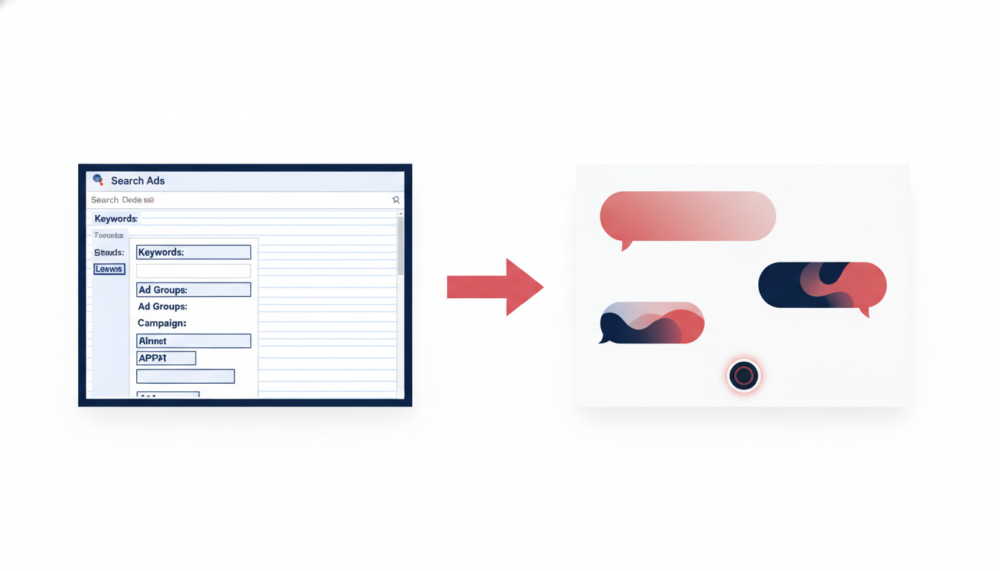
We’ve seen this movie before. The brands that moved early on paid search in the late 90s printed money. The ones that showed up in 2005 paid ten times more for the same results. ChatGPT advertising is the next version of that story and the window to get in early is closing faster than most brand teams realize.
The short answer to whether you need a position on ChatGPT ads right now: yes, absolutely, and here’s why waiting is the most expensive decision you can make.
The Early Mover Advantage Is Real — and It Expires
Every major ad platform follows the same arc. Early access means low competition, low CPMs, and outsized learning. Then the market floods in, auction dynamics shift, and suddenly you’re paying a premium to reach the same audience you could have owned for a fraction of the cost.
We watched this happen in paid social. Brands that were running Facebook ads in 2012 built audiences and conversion data that became structural advantages. By 2016, those same placements cost three to five times more. And the late movers never fully caught up.
ChatGPT advertising is on that same curve. OpenAI is now rolling out ad inventory across the U.K., Brazil, Japan, South Korea, and Mexico. That’s not a test anymore. That’s a platform.
What Makes ChatGPT Ads Different From Every Other Channel
Most ad channels interrupt. ChatGPT ads don’t, or at least, they don’t have to.
When someone asks ChatGPT “what’s the best protein powder for muscle recovery,” they’re not browsing. They’re in active decision mode. That’s a fundamentally different consumer intent than seeing a banner ad while reading an article.
For CPG and DTC brands, this is significant. You’re not fighting for attention. You’re meeting someone at the exact moment they’re looking for a recommendation.
According to research from Salesforce, 65% of consumers now expect companies to adapt to their changing needs and preferences in real time. AI-powered search is how that expectation gets met and ad placements inside those conversations are the new front door.
What This Means for Targeting and Creative
The implications for how you build campaigns are significant. Here’s what’s different about ChatGPT advertising versus traditional performance media:
- Intent is explicit. Users type exactly what they want. The signal quality is higher than almost any other channel.
- Context is everything. Your ad or sponsored result needs to feel like a useful answer, not an interruption. Copy that reads like an ad will fail. Copy that reads like a recommendation will win.
- Brand safety is still undefined. OpenAI is figuring out adjacency controls in real time. You need a point of view on what conversations you do and don’t want to appear in.
- Attribution is complicated. The measurement frameworks for AI-native placements don’t exist yet. Brands that invest now in building their own data infrastructure will have a massive advantage when those frameworks arrive.
- Global expansion changes the math. If your brand operates in the U.K., Brazil, or Japan, you now have first-mover access to ChatGPT ad inventory in those markets. That’s not hypothetical. It’s live inventory with low competition.
Most Brands Don’t Have a Position Yet. That’s the Opportunity
Here’s the honest truth: the majority of CPG and DTC brands are still treating AI as a content tool, not a media channel. Their agencies haven’t updated their channel mix recommendations. Their media plans still look like 2022.
That gap is your opportunity. If you move now.
The brands that will win in ChatGPT advertising over the next 18 months are the ones building their position today. Testing creative approaches. Understanding how their category gets queried. Learning what “winning” looks like in a conversational interface before the playbook gets commoditized.
This is exactly the kind of strategic channel work we do at Junction 37 — helping purpose-driven brands find the whitespace before it disappears.
The brands that wait for a proven best practice are the brands that pay premium CPMs to replicate what their competitors already figured out.
Don’t be that brand.
Ready to build your ChatGPT advertising strategy before the market catches up? Talk to Junction 37 about performance media for CPG and DTC brands.
FAQ: ChatGPT Advertising for CPG and DTC Brands
What is ChatGPT advertising?
ChatGPT advertising refers to sponsored placements or brand-integrated results within OpenAI’s ChatGPT interface. When users ask questions, brands can appear as recommended options — putting products in front of high-intent consumers at the moment of decision.
Is ChatGPT advertising available now?
Yes. OpenAI has begun rolling out ad inventory in markets including the U.S., U.K., Brazil, Japan, South Korea, and Mexico. Access is currently limited, but expanding — making now the optimal time to build a strategy before competition increases costs.
How is ChatGPT advertising different from Google search ads?
Google search ads appear alongside search results. ChatGPT ads appear inside a conversational response, meaning the context is more personal and the intent signal is often more specific. Creative needs to read as useful and relevant, not promotional.
Should my CPG or DTC brand be on ChatGPT ads right now?
If your brand sells products that consumers research or seek recommendations for — supplements, personal care, food and beverage, apparel — yes. The intent match is strong and the early-mover cost advantage is real. Waiting means paying more for less access later.
Chris Pyne, Founder, Junction 37 – 30+ Years in Performance Media.