Key Takeaways
- ChatGPT click-to-chat ads replace the landing page with a live AI conversation, which makes your existing conversion funnel largely irrelevant.
- Most DTC brands’ conversion goals, creative briefs, and measurement setups were all built around clicks to URLs.
- A conversation needs its own success metrics before you spend a single dollar.
- Brands that treat this format like a standard paid social unit will waste budget and blame the channel.
- Message quality and AI training matter more here than creative polish or media efficiency.
- This format could work well for considered purchases, complex products, or high-SKU catalogs where a static page fails shoppers anyway.
—
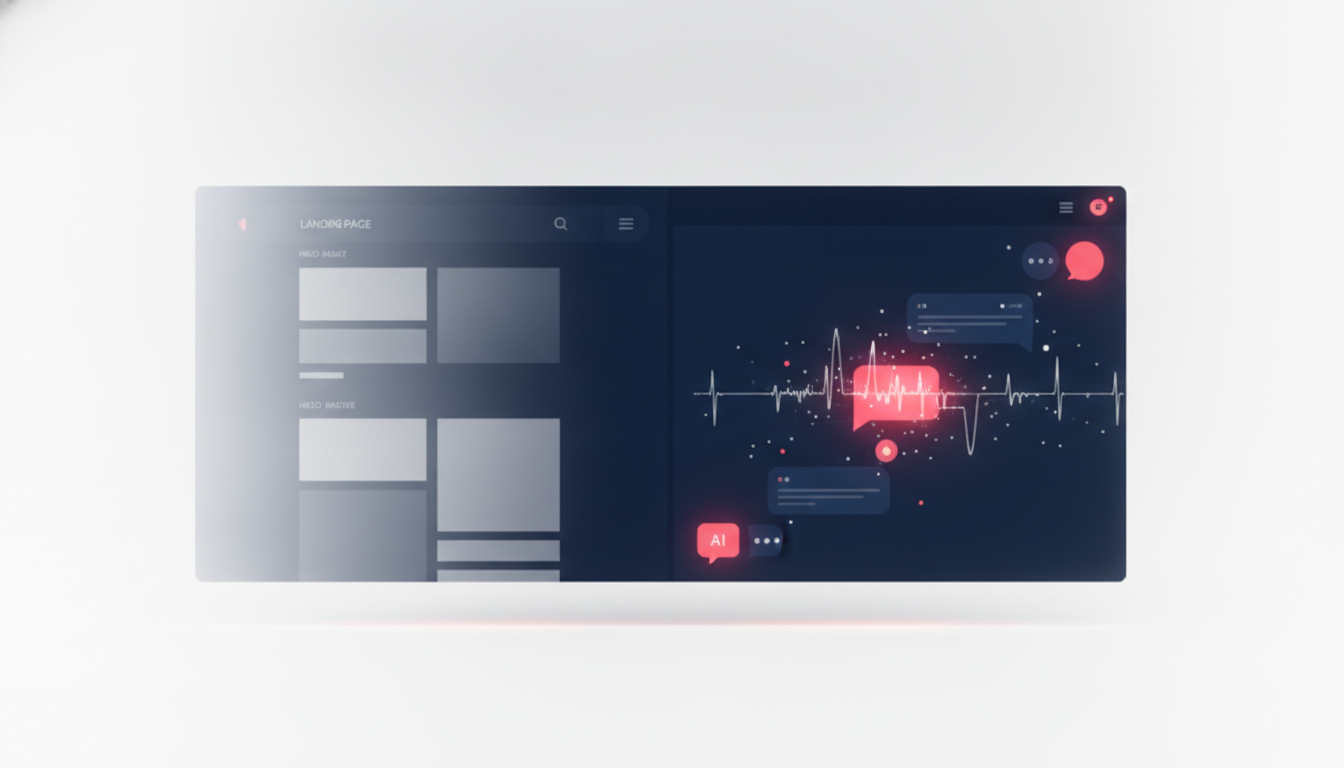
ChatGPT click-to-chat ads are a structural challenge to how DTC and CPG brands define performance. When a user clicks an ad and lands in a conversation instead of a product page, every assumption your team made about bottom-funnel behavior needs revisiting. The destination changed. The measurement playbook has to change with it.
We have been watching OpenAI’s advertising ambitions develop for months. If you want context on where this fits into their broader strategy, our earlier take at OpenAI Advertising: Why We’re Not Rushing In still holds. The short version: intent in ChatGPT is real, but the infrastructure for performance advertisers is still being built in real time.
The Landing Page Was Already Doing Heavy Lifting
A well-built landing page sequences information. It controls pacing. It handles objections visually. It surfaces social proof at exactly the right scroll depth. It is, in effect, a scripted sales conversation that your team has optimized over dozens of A/B tests, and nobody on the media team gets credit for any of it.
A ChatGPT conversation is none of those things. It’s dynamic, user-driven, and completely dependent on what the AI says when a shopper asks about your product.
What “Conversion” Means When the Destination Is a Conversation
Performance media lives and dies on defined outcomes. ROAS, CPA, and CVR numbers mean something because they measure a specific action against a specific cost.
With click-to-chat ads, the action is a conversation. So what counts as a win?
Here are the metrics that actually make sense to track in this format:
- Conversation completion rate. Did the user stay in the chat long enough to get a real answer? Short sessions likely signal a mismatch between ad creative and chat experience.
- Purchase intent signals within the conversation. Did the user ask about pricing, availability, or where to buy? These are buying signals even without a click.
- Post-chat behavior. If the user exits the chat and then searches your brand name or visits your site directly, that is an assisted conversion. You need a measurement setup that can see it.
- Conversation-to-purchase attribution. This one is hard. We wrote about how broken AI agent attribution already is at AI Agent Attribution Is Broken: What CPG and DTC Brands Should Do. Click-to-chat makes that problem bigger, not smaller.
None of these replace ROAS as a north star. But if you launch this format without defining them first, you’re flying blind.
Where This Format Actually Has a Shot at Working
Not every product category benefits from a conversation. A commodity snack brand does not need a chatbot to close the sale. A two-pack of gummies does not require discovery.
But consider the categories where a static landing page genuinely fails shoppers.
High-SKU catalogs where finding the right product is legitimately confusing. Better nutrition products where ingredient questions are common and trust is hard to build in a banner. Personal care items where the shopper wants to describe their situation before committing. Supplement brands where clinical questions need nuanced answers that a product page cannot legally make.
For these categories, a well-trained AI conversation could outperform a static page on engagement and conversion quality. The key being “well-trained.” The AI has to know your product deeply, speak in your brand voice, and handle objections the way your best salesperson would.
The Creative Brief Has to Change Completely
Standard ad creative briefs are built around a handoff. You capture attention, communicate a hook, and hand the user to a landing page that closes the deal.
With click-to-chat ads, there’s no handoff. The ad is the beginning of a continuous experience, which means the creative needs to set up a conversation, not a click.
The question your ad creative needs to answer is: what would a curious, motivated shopper actually want to ask first? That first question defines the entire conversation that follows. If your creative promises something the AI cannot deliver in the first exchange, you have lost the user.
This is a fundamentally different creative discipline, and it requires your media team and your brand team to work together in a way that most agency structures do not support.
Do Not Let the Format Move Faster Than Your Strategy
OpenAI is building an ad business fast. The pressure to test new formats before your competitors do is real, but speed without strategy in a format this new will cost you more than the test budget.
Get your measurement framework defined before you spend. Know what a successful conversation looks like. Train your AI inputs with the same rigor you would apply to a landing page. And do not confuse early adoption with early advantage.
The brands that win with click-to-chat ads will be the ones who showed up prepared.
If you want to talk through what this format means for your specific products and category, Junction 37 works with CPG and DTC brands on performance media that actually connects to outcomes. That is what we do.
—
FAQ
What are ChatGPT click-to-chat ads?
ChatGPT click-to-chat ads are a new ad format from OpenAI where clicking an ad opens an AI-powered conversation inside ChatGPT rather than sending the user to an external website or landing page. The user interacts directly with an AI agent that can answer product questions, handle objections, and guide purchase decisions in real time.
How should DTC brands measure performance from click-to-chat ads?
Standard metrics like click-through rate and landing page conversion rate do not apply directly. DTC brands should track conversation completion rate, purchase intent signals within the chat such as pricing or availability questions, post-chat branded search behavior, and any downstream attribution that connects the conversation to eventual purchase. Defining these metrics before launch is essential.
Is this format right for every CPG or DTC product?
No. Simple, low-consideration products in commodity categories are unlikely to benefit. Click-to-chat ads are better suited to high-SKU catalogs, products that require ingredient or usage education, or categories where shopper questions are complex enough that a static page cannot address them effectively.
What is the biggest risk for brands testing this format early?
The biggest risk is treating this format like any other paid media unit. Brands that launch without rewriting their creative briefs, defining conversation-specific success metrics, and auditing what the AI actually says about their products will waste budget and draw the wrong conclusions about the channel’s potential.
—
Chris Pyne, Founder and CEO of Junction 37 and its sister venture Series A. He built Cortex, J37’s proprietary AI-driven planning ecosystem, and pioneered the integration of predictive marketing science into client strategy. Previously, Chris held C-suite roles at OMD USA and MediaCom, where he led planning for $7B in billings and 700+ employees.