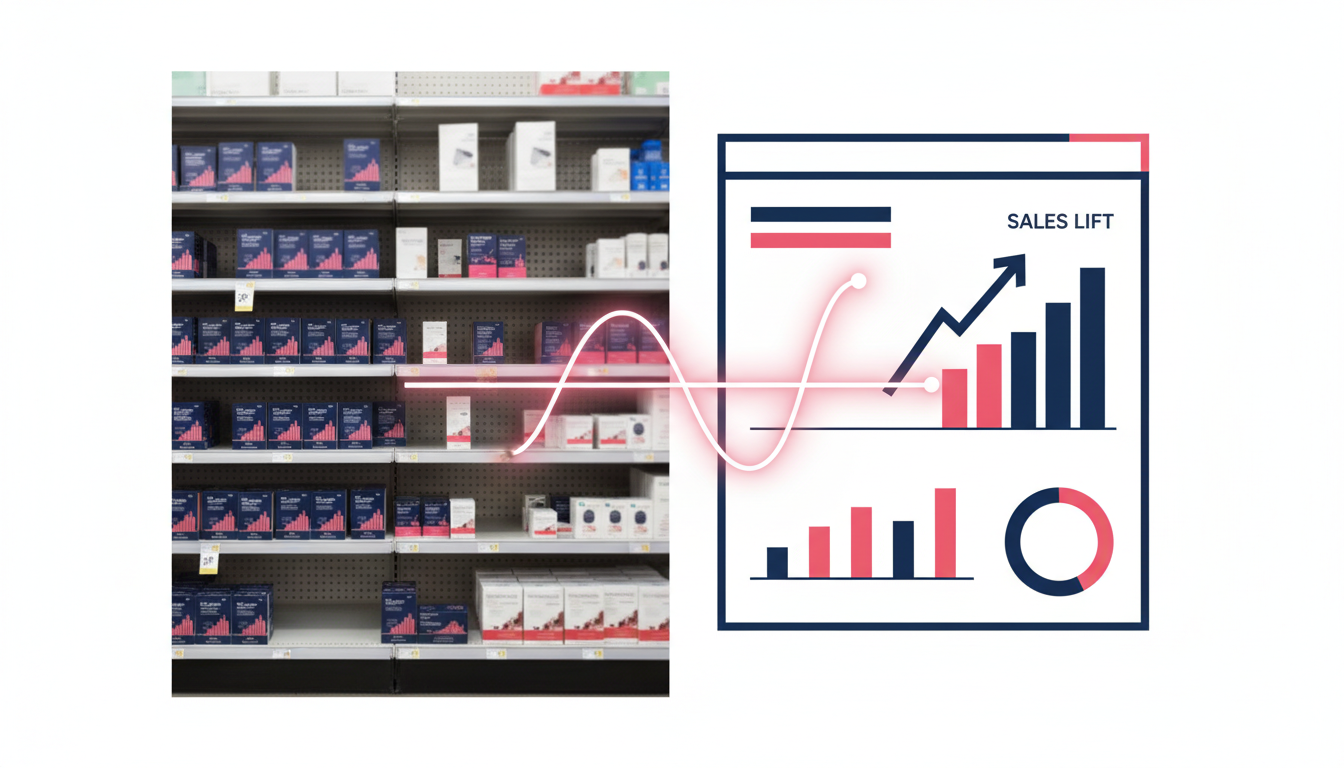
For CPG brands, Walmart retail data is about to become one of the most powerful targeting and measurement tools available in paid media. If you know how to use it. The short answer: expanded access to Scintilla means you can finally connect media spend to in-store sales movement with far less friction. But access isn’t the same as advantage. Most brands will get this wrong.
Here’s why that matters, and what to do about it.
The Problem With Retail Media Has Always Been the Gap
Retail media networks promised closed-loop measurement from day one. The pitch was simple: advertise near the point of purchase, measure what sells. Clean, accountable, obvious.
The reality? Most brands have been operating with a significant lag. Running campaigns and waiting weeks for aggregated reports that told them what happened, not what to do next.
That gap between media action and sales signal is where budgets bleed. It’s where bad creative runs too long, where audiences stay stale, and where optimization becomes guesswork dressed up in dashboards.
Self-Serve Data Access Changes the Equation
What Walmart expanding Scintilla access actually represents isn’t a feature upgrade. It’s a structural shift in who controls the signal.
When retail commerce data becomes more directly accessible to agencies and brand teams, in closer to real time, it stops being a reporting tool and starts functioning as an active campaign input. That’s a fundamentally different relationship between media and sales.
Think about what that enables:
- Targeting informed by actual purchase behavior, not just modeled audience proxies
- Creative optimization tied to sales velocity, not just click-through rates
- Budget allocation decisions grounded in what’s moving off shelves, not what’s performing in the walled garden’s own metrics
- Faster iteration cycles that can respond to regional sales shifts, seasonal demand signals, or competitive pressure in near real time
- Measurement that connects upper-funnel awareness spend to lower-funnel conversion, finally closing the loop that’s frustrated CPG teams for years
This is what performance media is supposed to look like. Most of the industry just hasn’t had the inputs to do it properly.
Why Most Agencies Will Waste This Opportunity
Here’s the uncomfortable truth: better data access only produces better outcomes when the team using it knows what questions to ask.
The holding company model, where your account is managed by a rotating cast of junior analysts working inside rigid toolsets, isn’t built for this kind of signal-responsive work. More data into a slow system doesn’t make the system faster. It makes the problem more expensive.
Self-serve access requires someone to actually serve it. That means an agency capable of building the analytical frameworks, integrating Scintilla signals into live campaign management, and making fast, defensible decisions without waiting for a quarterly business review.
That’s not most agencies. But it’s exactly the work we do at Junction 37.
What CPG Brands Should Be Asking Right Now
If you’re a CPG brand running any meaningful media investment, the Scintilla expansion should prompt an immediate audit of your current setup.
Ask your agency:
1. How are you currently ingesting retail sales data into campaign optimization decisions?
2. What’s the latency between sales signal and media adjustment in our current workflow?
3. Are we treating Walmart (or any retail media network) as a closed silo, or integrating it into our broader media strategy?
If the answers are vague, the opportunity is being wasted.
The brands that will win here aren’t the ones with the biggest Walmart budgets. They’re the ones with the tightest feedback loops where commerce data directly informs what runs, when it runs, and who sees it.
This Is Bigger Than Walmart
Walmart’s move is the clearest signal yet of where the entire retail media ecosystem is headed. Retail media ad spend in the U.S. is projected to exceed $54 billion by 2026, and every major retailer is racing to make their data more accessible and more actionable.
CPG brands that build the capability to operate with retail data now, building integrated media and strategy frameworks that treat commerce signals as live inputs, will have a structural advantage when every network opens up this way.
The ones waiting for the ecosystem to mature before figuring out their approach will be permanently behind.
FAQ: Walmart Retail Data and CPG Media Strategy
What is Walmart Scintilla?
Scintilla is Walmart’s proprietary data platform that houses commerce and shopping behavior data from across Walmart’s retail ecosystem. It allows agencies and brand partners to access purchase data to inform media targeting and measurement.
How does Walmart retail data improve CPG campaign performance?
When integrated into active campaign management, retail purchase data allows brands to target audiences based on real buying behavior, optimize creative based on sales response, and measure media effectiveness against actual in-store or online sales, not just ad engagement metrics.
What does self-serve access mean for brands and agencies?
Self-serve means more direct, faster access to Scintilla data without requiring Walmart to mediate every data pull. For brands with capable agency partners, this reduces latency between sales signals and campaign decisions which is where real optimization happens.
Do I need to be a Walmart Connect advertiser to benefit from this?
Expanded access is primarily designed for brands already working within Walmart’s retail media ecosystem, but the broader implication is that commerce-informed media strategy is becoming the standard. Brands not building this capability, regardless of retailer, are falling behind.
Ready to actually close the loop between your media spend and sales performance?
See how Junction 37 runs performance media for CPG brands →
Chris Pyne, Founder, Junction 37 – 30+ Years in Performance Media.